
Three ways to answer a brick finding
When an inspection says the brick on your chimney is in poor shape, a seller has three ways to respond. Repair it before listing. Offer the buyer a credit toward the work. Or list the house as it is and disclose the condition. Each one is a fair choice. Which fits depends on how serious the damage is, how much time sits between now and the listing, and how you expect buyers to read it.
Not every house in Lake Forest has a brick chimney; many have a metal flue inside a framed box. This post is for the ones that do, and for sellers in Mission Viejo, Tustin and San Juan Capistrano with the same question.
What the visit usually turns up on brick
A camera inspection and a roof check on a masonry chimney tend to find some mix of the following:
- Worn mortar joints. Mortar is meant to wear before the brick does. Once the joints open, rain gets into the body of the chimney and the wear speeds up from inside.
- Flaking brick faces. Brick that has shed its outer skin, usually on the side that takes the most weather, where water soaks in and sun bakes it out over and over.
- A cracked crown. The concrete slab across the top of the brick. Cracks there send rain straight down into the masonry under it.
- Movement. A stack that has shifted, a crack that steps through several courses, or brick above the roof that no longer feels solid. On older Orange County chimneys, past quakes are a likely cause.
- Flue tile damage. Cracked or offset clay sections inside the chimney, which only the camera can show.
These are not the same size of problem. Opened joints near the top are a contained repointing job. A stack that has moved is a different conversation, and may mean taking part of it down and relaying it on a sound base.
Repairing before you list
Repair first when the fix is contained and easy to see. Buyers and their inspectors react to what is visible from the yard and the roof, and a chimney with fresh joints and a sound crown reads as a house that someone looked after. It also takes the chimney off the buyer's repair request, which is where many negotiations stall.
Repairing first tends to pay when:
- the work is repointing, a crown repair or a cap rather than a rebuild;
- there is enough time before the listing to schedule the work calmly;
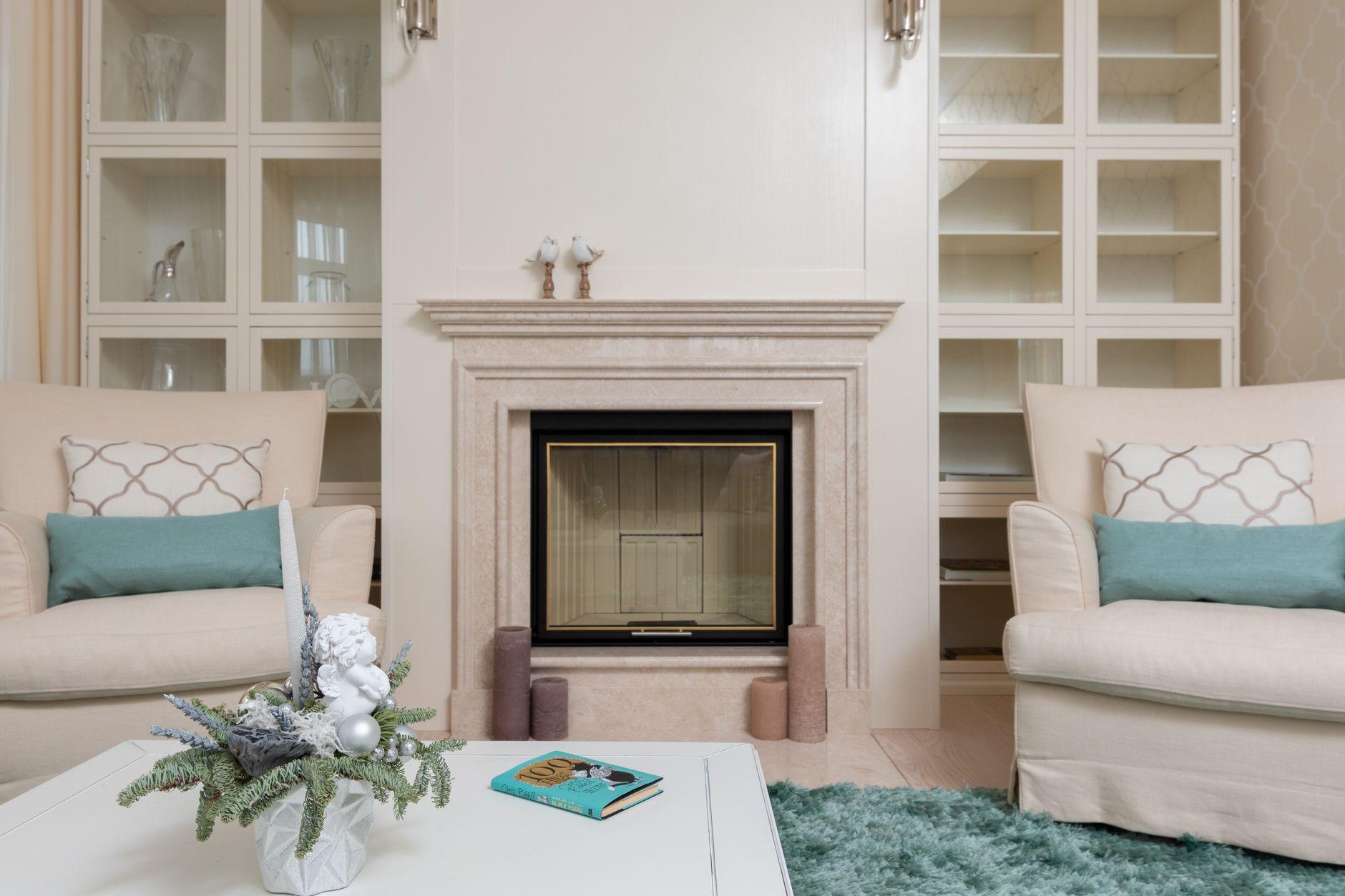
- the fireplace will feature in the listing photos.
Offering a credit
A credit suits a large repair, a scope that cannot be fixed until brick comes apart, or a seller who would rather not manage a crew on the roof while also packing up a house. The buyer receives money toward the job and picks who does it.
For a credit to survive negotiation, it needs a written scope and a figure from someone who has actually looked inside the chimney. A guess invites a counter-guess. Our quotes name the parts of the chimney involved and the work on each, which gives both agents something firm to work from.
Disclosing and selling as it stands
Some sellers prefer to disclose and leave the chimney alone, often when the fireplace has sat unused for years and the house is priced for its condition. California sellers have to tell buyers about known material defects, so if a report shows damage, it belongs in the disclosures whether you fix it or not. A camera report gives you accurate wording instead of a vague note about "chimney issues," and accurate wording tends to calm a buyer more than vague wording does.
What sets a masonry quote
Masonry repair has no published figure on this site, because the work varies too much from one stack to the next to print a single number. What moves a quote:
- how many joints need raking out and refilling, and how high up the stack they are;
- whether the crown can be sealed and patched or has to be broken off and recast;
- how many bricks need replacing, and whether a close match can still be found;
- whether the stack has moved and has to come down to a sound course;
- how the roof is reached, its pitch, and whether it is tile, which takes more care underfoot.
One item that often travels with masonry work has a set price: tracing and stopping a leak is $530 to $3,150. A fitted cap is quoted after we measure.
Ask for a written masonry quote. In the form, mention what you can make out from the yard, such as dark streaks below the top, gaps between bricks or a lean, and say whether a buyer's report already exists.
What the quote contains
Each quote names the parts of the chimney involved, what will be done to each, the mortar we plan to use on older brick, and what would change the figure if the brick behind the face proves worse than it looks. Sellers use it three ways: as a work order, as the basis for a credit, or as an attachment to the disclosures. It works for all three without rewriting.
The masonry repair page and the crown repair page describe the work itself. For the inspection that usually comes first, see what a Level 2 costs before you list, and for the rules a buyer's side will lean on, the up to code repairs page.
Pick a direction, then call
Whether you have chosen a route or want help choosing one, reach us through the contact page and we will arrange a visit to your Lake Forest house.
Get the Chimney Findings Before the Buyer Does
Dugan Chimney Pros inspects and repairs chimneys for Lake Forest area sellers, with each finding labelled fix, credit or disclose. The contact page takes the address and your listing month.